
Blog
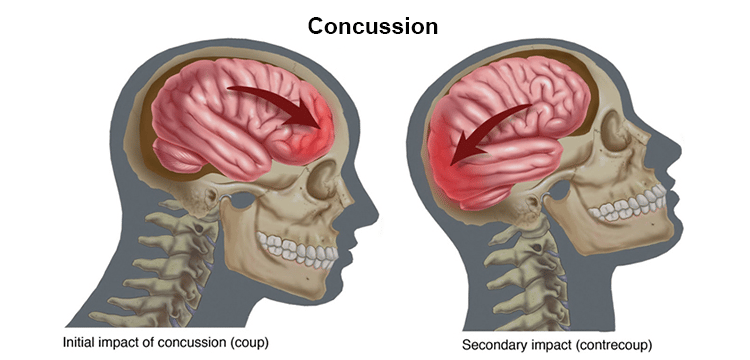
Why Properly Documenting Concussions is Vital to Athlete Health
More than 15% of high school athletes will sustain one or more concussions and unfortunately, the prevalence multiples among collegiate athletes. Athletic Trainers (ATs) are often the first line of support available to athletes following a concussion. They also play an integral role i …
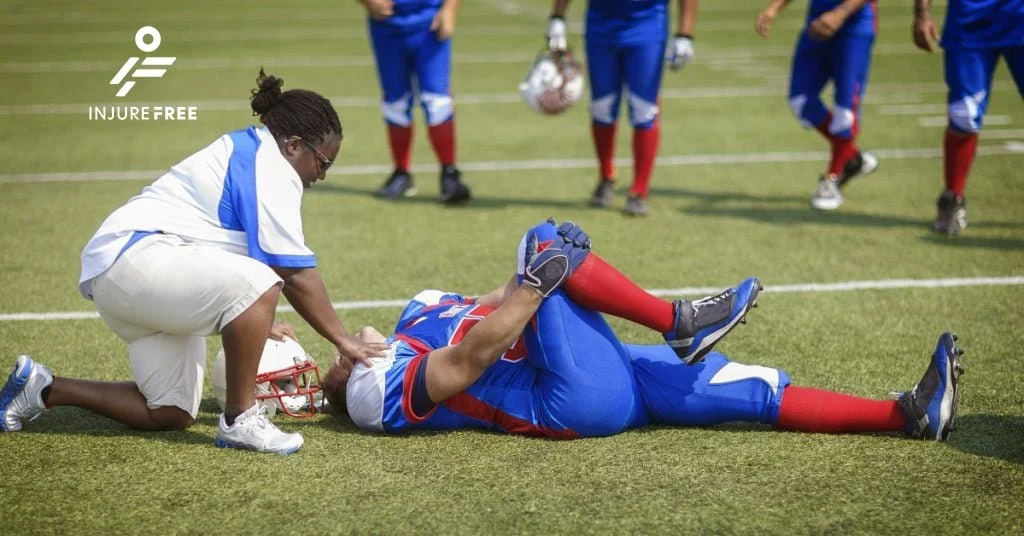
How Athletic Trainers Help Maximize Return on Investments
Athletic Trainers (ATs) are dynamic health care professionals who’s services include but are not limited to; injury prevention, intervention and rehabilitation, emergency care, examination and clinical diagnosis. It’s not hard to conceptualize the ways in which ATs help maximize retur …
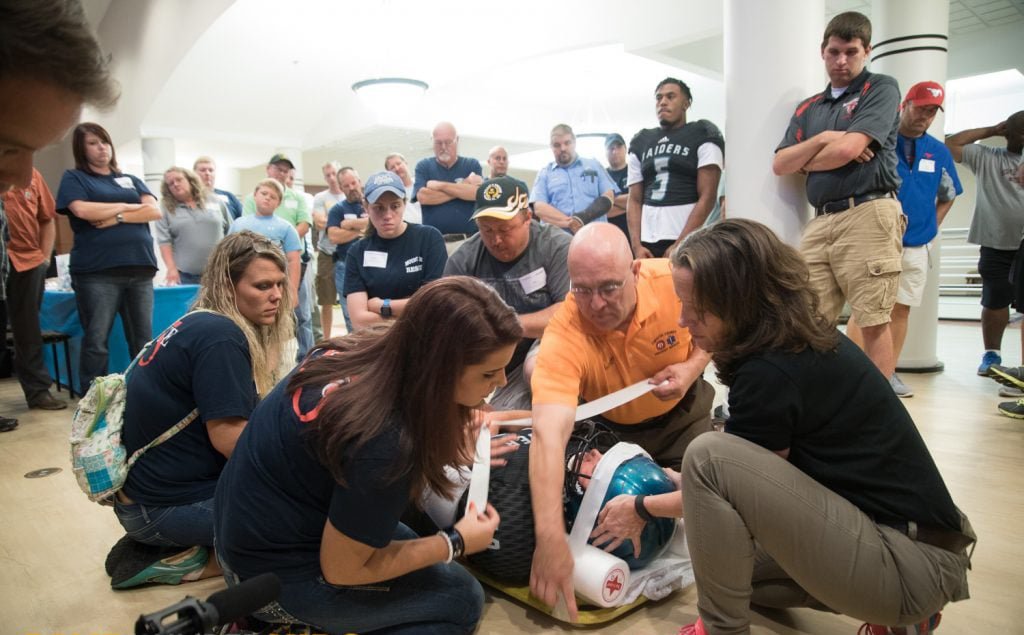
The Key to Saving Athlete’s Lives: Coach Education and Training
Coach education and training saves athlete’s lives. Coaches have a legal obligation to provide proper instruction, evaluate athlete’s for injury, provide a safe physical environment and plan suitable activity. Without proper education, coaches are falling short as athlete care provide …
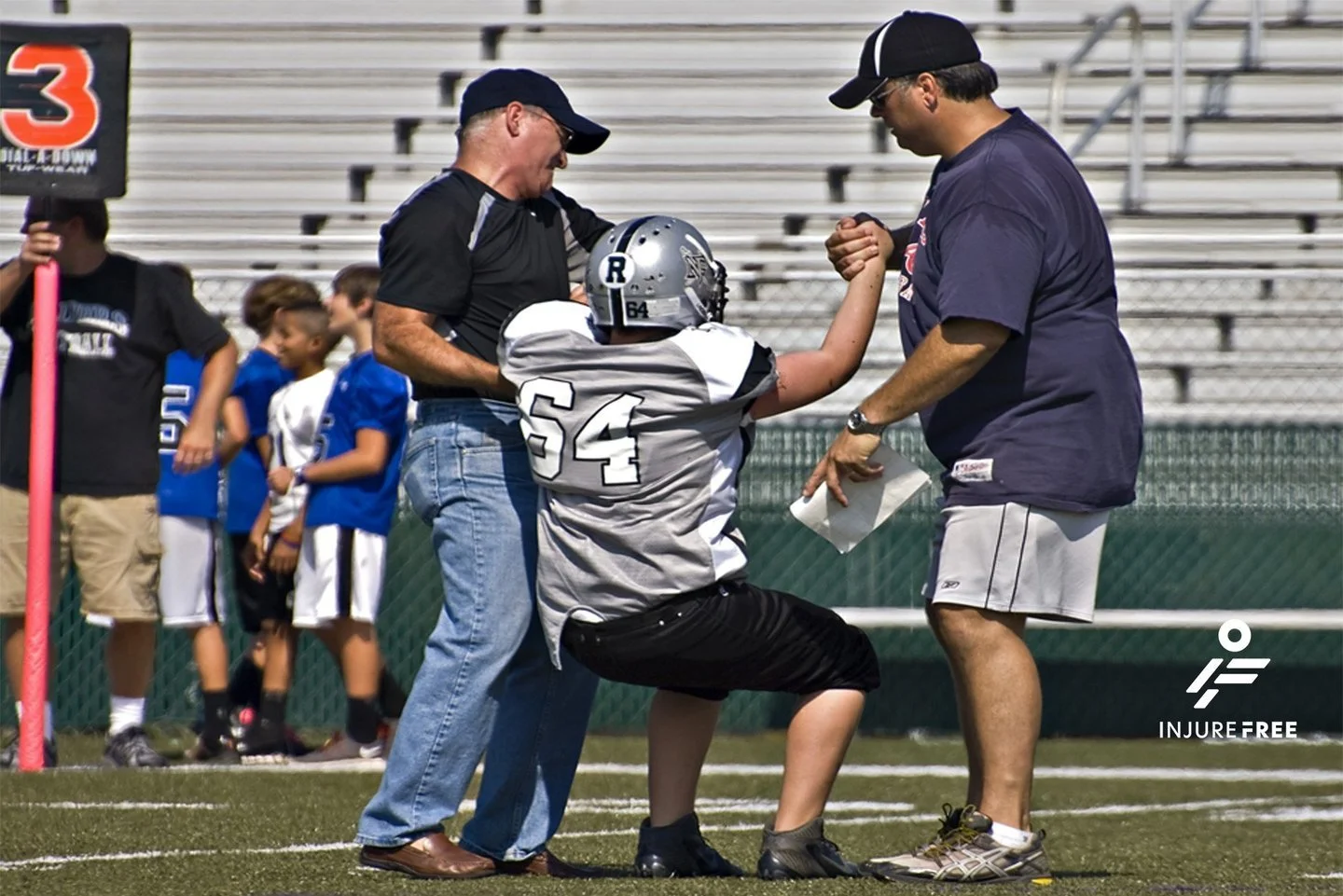
Key Consideration of a Coaches Role as Caregiver: Supporting Athletes Without On-Site Medical Personnel
Coaches have a fundamental responsibility to the well-being of their athletes. The legal system supports the argument that “a coach's primary role is to minimize the risk of injury to athletes under the coach's supervision”. When teams and organizations lack access to on-site medical …
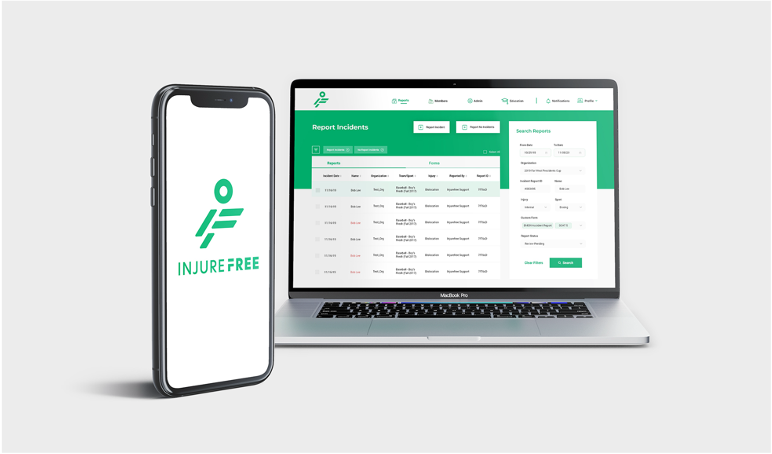
Are You Using Streamlined Documentation and Communication to Reduce Health Care Costs? Here’s What You Need to Know
You don’t have to be an expert to understand the benefit of Athletic Trainers (ATs) and the crucial role they play in supporting prevention, recognition and diagnosis of athlete injuries. In the U.S., 1 in 3 high schools do not have access to ATs. Not only do ATs support athlete well- …
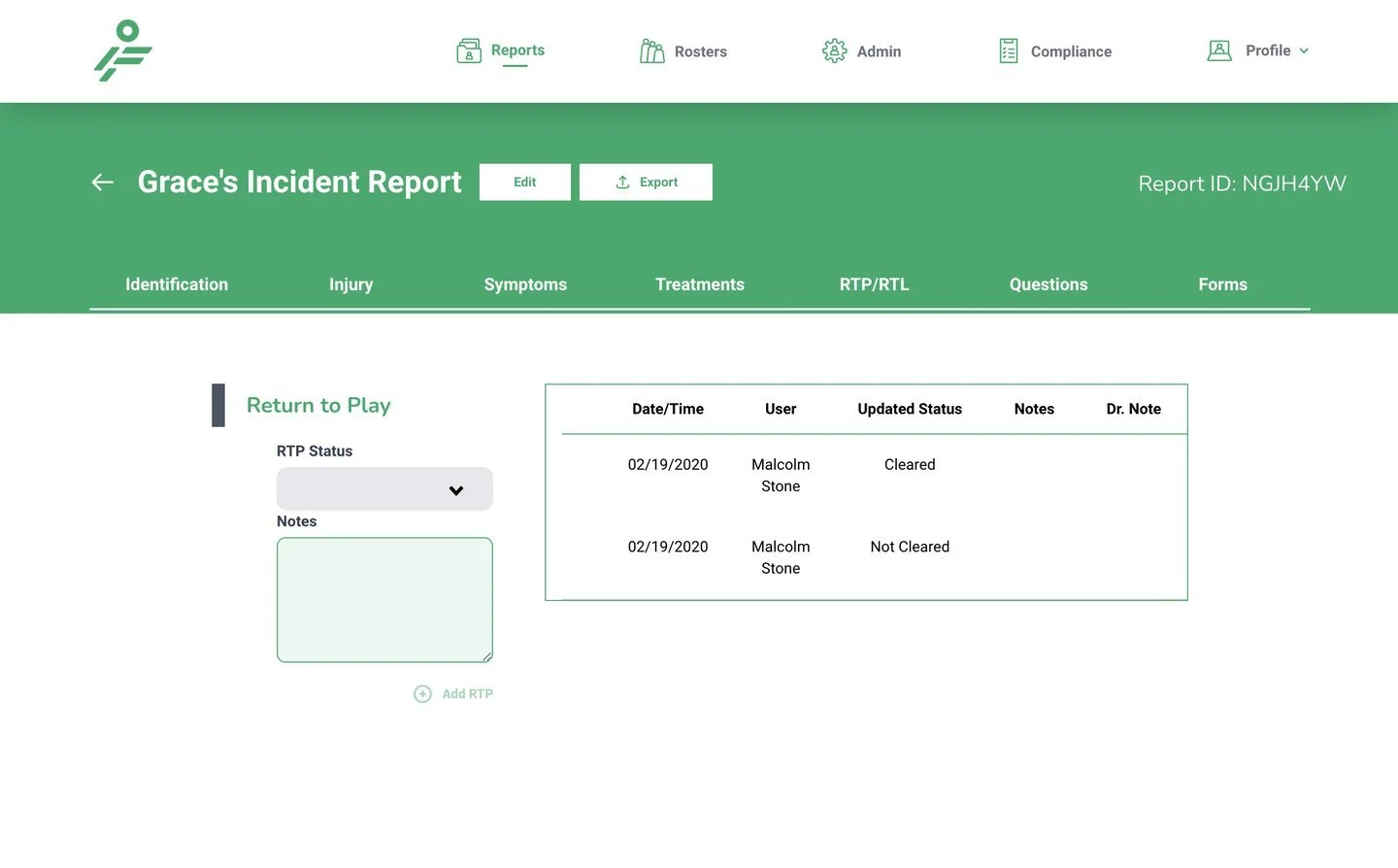
The Importance of Symbiosis, Documentation and Data Collection
In 2014, Pennsylvania athletic trainer Alex Zettlemoyer sought to better understand the relationship between coaches and athletic trainers. He conducted interviews with coaches and parents of youth athletes and identified three main characteristics that comprise successful relationshi …
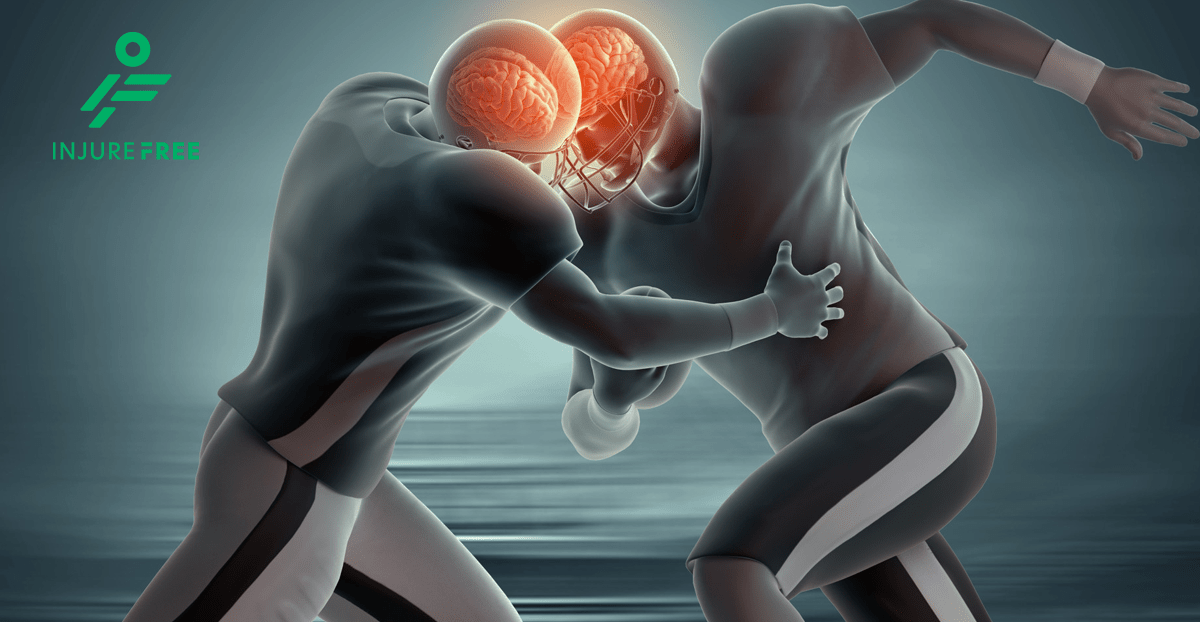
Do You Know the Symptoms of Concussions Effects on Mental Health? Learn How to Better Support Your Athletes Post Concussion
Individuals who have experienced a concussion may be at risk for poor mental health outcomes. Breaking research found that children and teenagers who suffered a past concussion were 40% more likely to develop a mental health condition when compared to their peers who had not sustained …
Preventing Injuries as the Seasons Change – Recommendations for Exercising Safely Outdoors
Tis’ the season of shuffling down icy sidewalks and the endless search for missing mittens. It’s also the season of chilly temperatures that might compromise one’s ability to exercise outdoors. For many, outdoor fitness is a lifestyle for which there may be no substitute. Exercising i …

How to Exercise for Injury Prevention – 5 Dos and Don’ts to Remain Injury Free!
Endless exercise tips, tricks and fads flood our social media and Google searches daily. It can be difficult to know what to believe. With 1/3 of all childhood injuries occurring during sport, urgency lies in exercise injury prevention. The good news? Most of these injuries are preven …

The Importance of Off-Season Fitness and Tips for Staying Active During Winter Break
The temperature is dropping, winter break is quickly approaching and it’s youth sports off-season…now what? While winter brings hibernation, holiday cheer, and a respite from organized sports - no games or regular practices, it is also a crucial time to maintain off-season fitness. At …
Benefits of neuromuscular training programs for athlete injury prevention
Did you know that each year, 4 million school-aged children will suffer a sports related injury? Of these, upwards of 400,000 are knee injuries. For a parent, practitioner, coach, and especially athlete, these statistics are alarming. We know that sports injuries can affect just about …